
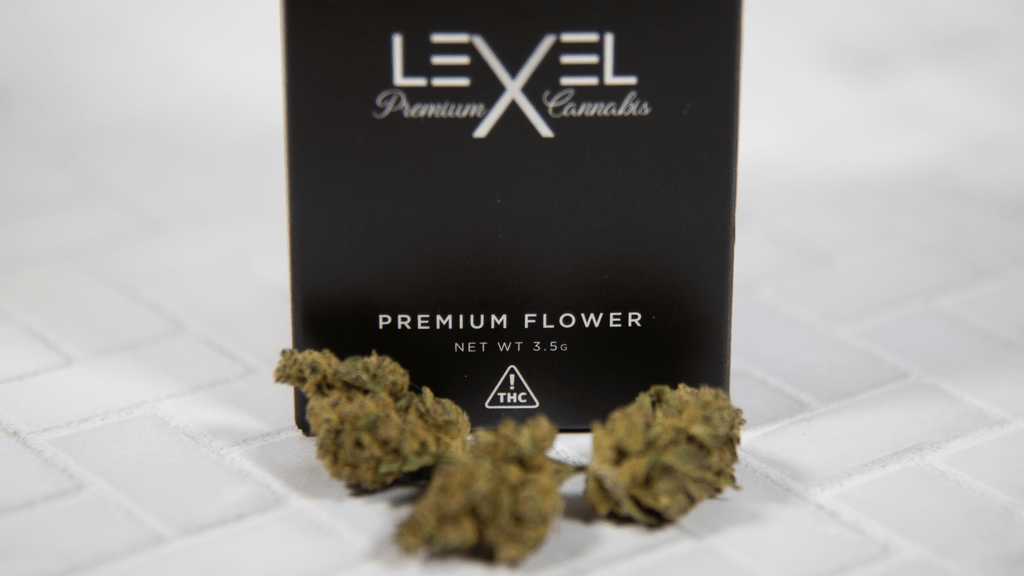
The national conversation around cannabis has shifted from a fringe policy debate to a central political issue that lawmakers, industry leaders, veterans, patients, and everyday consumers can’t afford to ignore. Even though 38 states now allow medical cannabis and 24 have legalized adult use, federal law still classifies cannabis as a Schedule I substance. That disconnect has created a messy, contradictory landscape—and it’s fueling a louder, more coordinated push for federal legalization than ever before.
Much of today’s momentum stems from the simple reality that public opinion has transformed. Polling from Gallup and Pew continues to show support for legalization at or near historic highs, often above 65–70 percent. Support spans generational lines and party affiliations, which is rare in today’s political climate. For many Americans, legalization is no longer seen as a cultural flashpoint but a practical and economic issue tied to jobs, tax revenue, criminal justice reform, and consumer safety.
Yet, the barriers at the federal level remain significant. The Controlled Substances Act still treats cannabis more restrictively than fentanyl or cocaine, placing companies and consumers in a legal gray zone. Businesses can’t access traditional banking services without jumping through costly compliance hoops. Consumers traveling between legal states face risks. Even veterans using cannabis under state programs can lose federal benefits. These tensions have amplified calls for Congress to take meaningful action.
Over the last few years, several key legislative efforts have inched the conversation forward, even if progress has been slower than advocates hoped. The SAFE Banking Act, which would allow cannabis businesses access to banking, has repeatedly gained bipartisan support but has yet to cross the finish line. The MORE Act and the CAOA (Cannabis Administration and Opportunity Act) sought to remove cannabis from the federal schedule entirely. Meanwhile, the Biden administration’s move to pursue reclassification toward Schedule III opened the strongest pathway yet for a major policy shift, even if it stops short of full legalization.
Advocates argue that rescheduling is only a starting point. While it could lower tax burdens and ease research restrictions, it doesn’t resolve disparities in federal criminal records, interstate commerce barriers, or long-standing social inequities tied to prohibition. Federal legalization, they insist, is the only comprehensive solution.
Industry growth also fuels urgency. Cannabis has become a multibillion-dollar sector employing hundreds of thousands of workers. Without federal reform, companies face uneven state-by-state regulations that stifle efficiency and innovation. Entrepreneurs, especially small and equity-focused operators, struggle to compete with larger multistate companies that can absorb compliance costs. Federal rules, they argue, would bring stability and unlock economic potential across regions that currently lack access to legal markets.
The push for federal legalization isn’t just about politics—it’s about aligning laws with reality. Millions of Americans already live in a world where cannabis is legal, taxed, and regulated. The question now is whether federal policy will catch up. As support grows and pressure mounts from diverse coalitions, the path to nationwide legalization feels closer than at any point in modern history.